Voltaire and Veganism

Hang on, you exclaim, Voltaire was a French writer and philosopher who lived over two hundred years ago. What on earth does he have to do with veganism?

Well, he said something that has resonated down the ages and which has a particular relevance to veganism. So, what DID he say?

“Don’t let perfect be the enemy of good”

Google AI tells us this quote is often attributed to Voltaire. The original French phrase is “Le mieux est l’ennemi du bien,” which translates to “The best is the enemy of the good”.

Why is this quote important? Voltaire used this phrase to encourage people to take practical steps toward improvement, rather than getting stuck chasing perfection.

I think what he meant is that if our aim from the outset is perfection, we may hesitate to even start. Perhaps we’ll abandon our efforts because we can never be good enough. But if we let this happen, if we allow our resolve to be undermined by doubts or feeling that the project dwarfs our puny abilities, we can never progress.

So what if all we can do is our best? Or not even our very best, but something? Surely having a goal in mind and doing what we can do with who we are in our circumstances still takes us down the road towards our goal.

This is very good advice, to be sure. And it’s not the only form in which the idea of moving forward and not simply giving up or procrastinating has been stated. You may have heard of the “if you can’t do everything” fallacy. Google tells us this is a logical fallacy where someone argues that because a solution isn’t perfect or doesn’t address every aspect of a problem, it should be completely disregarded, essentially rejecting any action at all, even if it provides some positive impact; it’s a form of the “Nirvana fallacy.”

OK, so we have pretty good advice that encourages us to go forward rather than giving up or settling for the worst. How does this relate to veganism? Well, I think it sets the tone for how we can apply vegan ethics in our everyday lives, as well as defending against those detractors and bullies who try to undermine our resolve to do better.

Veganism at heart wants us to be fair to other animals when we can do that. Its goals are simple – other animals should be free whenever possible and we should choose not to be cruel to them by our actions.

How we go about this is up to each of us. What counts is believing other animals have an inherent value that demands a duty of fairness from us. If we are honest in that belief, we’ll do what we can to make the best choices we can. Even when they aren’t the most perfect choices. And we are all free to keep on refining the choices we make and finding even better ways to do what we can to make a fairer world for other animals.

Finally, don’t let the bullies get you down. When you hear someone telling you that you are a hypocrite or a failure because you still use a computer, or drive a motor vehicle, or rely on medicines tested on animals, ignore them. What they want is for you to give up, and THAT Voltaire would never have wanted us to do.

Doing something positive is always better than doing nothing.
Farmers Defending Animal Welfare Miss the Point

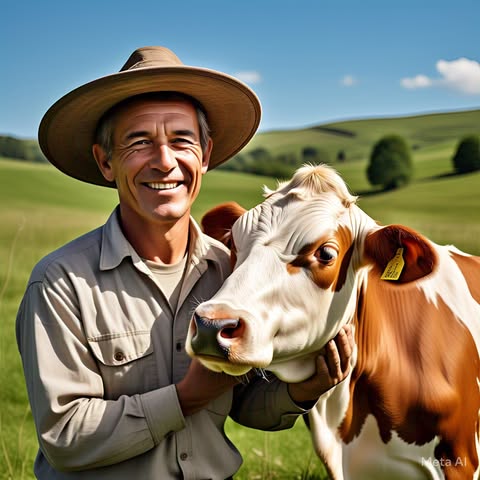
Happy farmer with happy cow

Something I often see on social media is farmers objecting to vegan advocacy on the grounds that vegans know nothing about animal husbandry. Because vegans aren’t engaged in the business, the story goes, they don’t understand just how well farmers really do look after their livestock. Unfortunately, this criticism rather misses the point.

I think this happens because farmers don’t understand what veganism is really about and the fact that pretty much all vegan/animal rights activism focuses almost exclusively on how much animals are harmed in animal farming with graphic imagery and stories about grossly negligent behaviour by producers. Farmers therefore think that vegans are simply complaining about animal welfare.

The reason that this criticism misses the point is that veganism and animal rights are not focused solely on animal welfare but rather on the question of whether or not we should use animals in these ways. The objection from veganism is that animals are being farmed in the first place, not just that they may suffer and be harmed.

To put it simply, “Veganism recognises the inherent value and dignity of other species and aims to treat them fairly by our choices whenever we can.”

In this context, “fairly” means that animals should be free to live their own lives without human interference, whenever it’s possible for that to happen. An easy way to think about this is that veganism proposes that when we can we should want to protect animals’ interests to:

  • be free and able to live their own lives
  • be able to make their own choices about their own bodies
  • not be treated cruelly by humans

A farmed animal is not free and is regarded as property, they are not able to make their own choices about what they do and when, and they can often be treated cruelly. That’s really why people adopting vegan ethics might choose not to buy products from animal farming (eg meat, dairy, etc). They are rejecting the unfair use of other animals when we have alternatives, so how animal farming is done is not relevant when making that choice.

That said, how animals are treated is important so while people continue to use animals in farming and other industries, we should want the best possible welfare for them. While it’s absolutely reasonable for farmers to defend their practices (and we should encourage their best practice), remember that the best welfare in the world doesn’t address the overall objections of veganism. Only the abolition of animal farming would achieve that.

Is that possible? That’s not for me to say, but really it’s a little irrelevant to what people can do right now. Veganism is primarily a personal stance so it’s much more likely that someone can make choices that minimise their support for animal farming.

Summarising all this:

  • Veganism objects to the unfair use of other animals and regarding them as property when we can do otherwise
  • People who adopt vegan ethics typically don’t buy products from animal farming for that reason
  • They also don’t need to know how animal husbandry systems work to take that stance
  • Farmers can (and should) promote best practice welfare and that’s important, but it’s not addressing the real moral objection

Veganism is Justice for Animals

Here at JustUs Too we advocate for fairness and justice for animals. Importantly, we endorse veganism because it’s the only general term and overall conceptualisation of the wish to be fair to other animals we know of. We believe that “veganism” – regarded as the idea we can and should strive to be fair to other animals – is a rational, effective and workable ethical framework. No-one has to be a vegan but everyone can be guided by these principles.

What is Veganism?

The UK Vegan Society defines veganism as both a philosophy and a lifestyle. You may be most familiar with it as a super strict diet. However, veganism really asks that we do what we can, when we can, to be fair to other animals and prevent injustices to them from our choices. We could sum this up as:

“Veganism recognises the inherent value and dignity of other species and aims to treat them fairly by our choices whenever we can.”

Why veganism?

Veganism is important today because of the outsized and often unfair effects we have on other species. Veganism is about minimizing these negative effects as much as we can and hopefully making a fairer world for them.

If we think other animals are worth respecting for themselves and not only for what they can do for us, then vegan ethical principles can guide us in how to do that, especially when it comes to our everyday choices.

What can I do?

The answer is deceptively simple. Whatever you can or are willing to do that aligns with vegan ethical principles. These principles are pretty much exactly the same as those we adopt when wanting to be fair to other people, where “fairness” means taking into account the interests of others to live a good life.

That’s why people who identify as vegans don’t buy animal products. They believe that modern animal farming is inherently unfair to the animals and when we have alternatives – such as plant-based foods – we can make fairer choices.

Anyone can be guided by these principles – you don’t have to be a vegan to do that. In everyday terms, think about whether or not the products and services you buy and support contribute to treating other animals unfairly. If so, look for alternatives that minimize or eliminate this unfairness. What you do is up to you. If you are genuine in your wish to treat other animals fairly and compassionately, you’ll do what seems best.